

Multivitamins: understanding their benefits to make the best choices
What is a multivitamin?
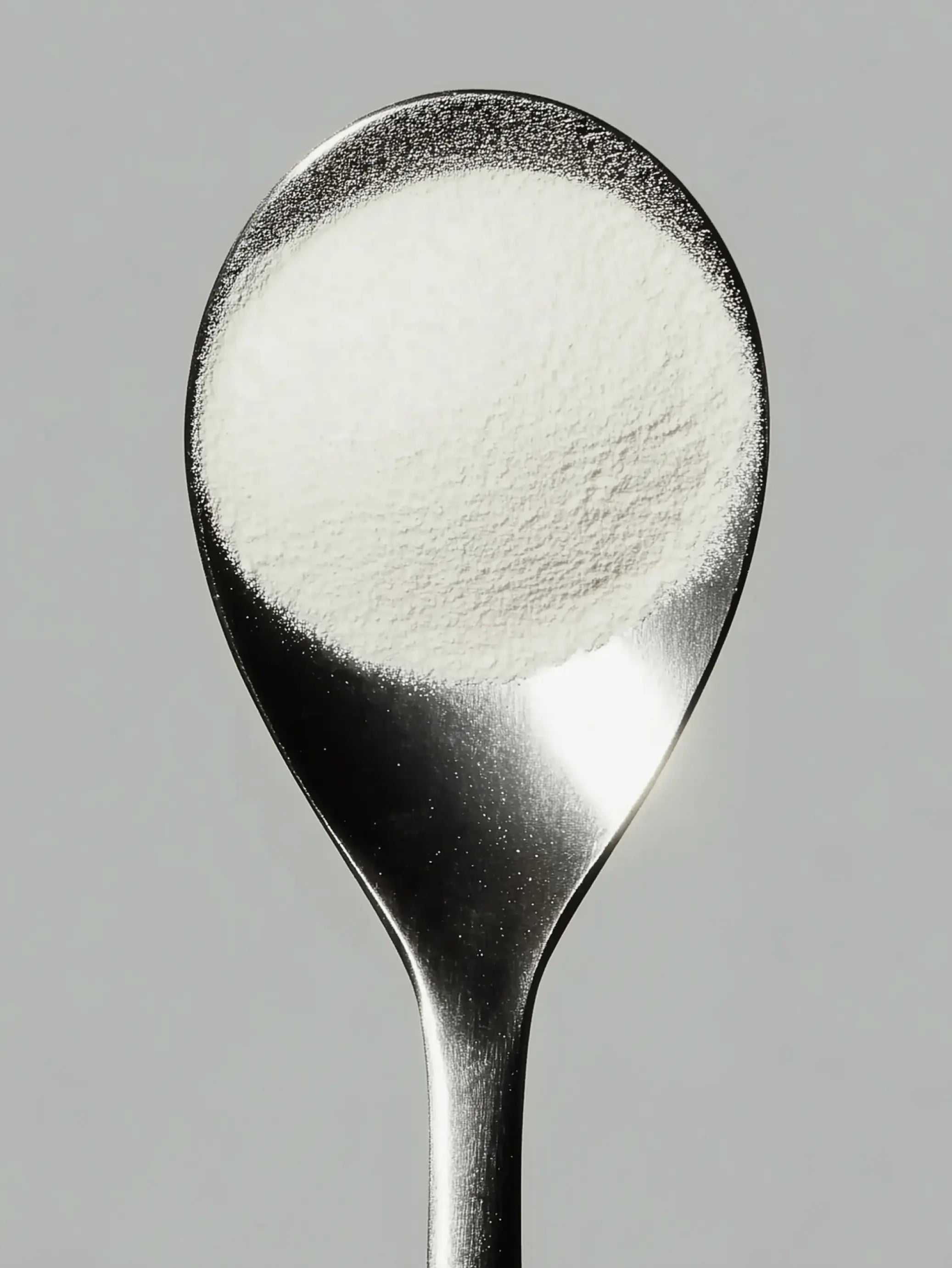
Multivitamins are dietary supplements specifically designed to provide essential nutrients that our diet might miss. Combining a balanced set of vitamins and minerals in a single formula, they meet our body's specific needs, whether to address a nutritional deficiency or support a demanding lifestyle. Sold in various forms (capsule, tablet, liquid, or powder), they adapt to individual preferences, while maintaining their main objective: to support overall health in a practical and effective way.
"Our Multivitamin was born from a simple belief: to create food supplements that provide your body with what it needs, without ever overloading it. A synergy of essential, carefully chosen ingredients, to support every stage of your day." – Marie-Claude Savard
Origins of multivitamins
Commercial multivitamins, as we know them today, emerged in the United States in the late 1930s, as research on vitamins and their importance to human health gained popularity. Their boom accelerated during World War II. Since then, their composition has been refined, adapting to new scientific knowledge and the specific needs of different population groups.
Methods of multivitamin extraction
The vitamins found in supplements come from two main sources. The first is natural: vitamins are extracted directly from foods such as fruits, vegetables, and certain yeasts. The second is created in the laboratory, where scientists reproduce the molecular structure of natural vitamins. In both cases, the objective remains the same: to obtain pure and effective vitamins, while preserving their nutritional benefits.
Properties of multivitamins
In a single daily dose, multivitamins offer a complete set of essential nutrients, including B vitamins, vitamin C, vitamins A, D, E, K2, as well as minerals such as magnesium, zinc, and selenium. This combination of nutrients supports various body functions: vitamins B9 and B12 are involved in red blood cell formation, while vitamin D and minerals contribute to bone health. Some formulas, like MCS's, also incorporate natural antioxidants, including grape seed and green tea extracts, for optimal cell protection.
"Our multivitamins are carefully formulated to meet everyone's specific needs, combining high-quality ingredients to support overall health and well-being." – Marie-Claude Savard
Discover the 6 types of multivitamins
1. Vitamin C
It's well known: vitamin C contributes to strengthening immune function. It also plays a decisive role in collagen synthesis, thus facilitating wound healing and maintaining skin health. In addition, it helps in the absorption of non-heme iron, which is particularly beneficial for people following a vegetarian or vegan diet.
Origin
Vitamin C, mainly extracted from citrus fruits, is essential for immune health and protection against infections.
2. Vitamin B
B complex vitamins are essential for energy metabolism and proper brain function. They include several types such as vitamin B1 (thiamine), vitamin B2 (riboflavin), vitamin B6 (pyridoxine), and vitamin B12 (cobalamin), each with unique functions. Together, they help convert nutrients into energy and maintain a healthy nervous system.
Origin
B complex vitamins, including B12 and B6, are crucial for energy metabolism and brain health. They typically come from yeasts and animal products.
3. Vitamin A
This vitamin plays a key role in vision and helps reduce the risk of age-related macular degeneration. It also promotes cell growth and the maintenance of healthy skin.
Origin
Vitamin A primarily comes from animal sources like liver, or in the form of beta-carotene in orange vegetables like carrots and sweet potatoes.
4. Vitamin E
Vitamin E is a powerful antioxidant, protecting cells against damage caused by free radicals. It is also important for skin health and may play a role in cardiovascular health.
Origin
Often extracted from vegetable oils, it contributes to the cellular protection of the body.
5. Vitamin D
Essential for calcium absorption and maintaining bone health, vitamin D also contributes to immune function and the reduction of inflammation.
Origin
Important for bone health, it is synthesized by the skin when exposed to sunlight and can also be obtained from fatty fish.
6. Vitamin B6
Vitamin B6 participates in the production of neurotransmitters and is involved in more than 100 enzymatic reactions in the body, making it essential for overall health.
Origin
Present in many foods, vitamin B6 is notably found in poultry, fish, chickpeas, bananas, and potatoes.
What does the MCS Multivitamins product contain?
The MCS Multivitamins product offers a complete formula that combines essential vitamins (including vitamin A, vitamin B3, vitamin B5, vitamin D3, vitamin E and vitamin K2), minerals and natural antioxidants. This synergy of ingredients aims to support body functions, from daily energy to immune health.
Benefits of taking multivitamins
Integrating multivitamins into your daily routine offers invaluable support to your body. These dietary supplements contribute to the proper functioning of your immune system, support your daily vitality, and help maintain good cardiovascular and visual health. A small gesture that can make a big difference in your daily well-being.
How to choose the right multivitamin for your needs?
Choosing the right multivitamin depends on several factors, including your age, diet, and lifestyle. Nutritional needs vary: a women's multivitamin will not have the same composition as a men's multivitamin. Formulas are specially adapted according to profiles – whether it's specific needs related to gender, sports activity, or age. Here are some tips to guide you in your choice:
Assess your nutritional needs : Identify the nutrients you may be missing in your daily diet.
Consult a health professional : A doctor or nutritionist can help you determine which supplement would be best for your situation.
Read labels : Check the ingredient list to ensure multivitamins contain the essential nutrients you need.
Consider allergies and intolerances: Make sure the product is gluten-free or free of other allergens, if necessary.
Sport and multivitamins
Whether you're a morning runner or a yoga enthusiast, your body has particular needs when you exercise regularly. Multivitamins can become a support in your sports routine. B vitamins contribute to energy metabolism, magnesium participates in normal muscle function, and certain minerals can help maintain electrolyte balance. The important thing is to choose a formula that matches the intensity of your practice and your personal goals, in addition to a balanced diet.
Evidence on multivitamins
Recent scientific data on multivitamins show that their effectiveness largely depends on the context and the user's profile. For people with proven nutritional deficiencies, multivitamins can correct these deficits and support vitality, energy, and immune function. However, in healthy individuals with a varied and balanced diet, studies do not show a significant effect on the prevention of chronic diseases such as cancer or cardiovascular diseases.
Possible side effects of multivitamins
Although multivitamins are generally safe when taken as recommended, it is important to be aware of their potential side effects. Scientific studies show that excessive intake can lead to digestive discomfort and headaches. These effects are often temporary and can be minimized by taking the supplement with a meal.
Tips and recommendations for taking multivitamins
To optimize the benefits of your multivitamins, a few simple steps can make all the difference. The key lies in how you integrate them into your daily routine. Here are our tips for successful supplementation.
• Ideal time Take your supplement with a meal containing fats to maximize the absorption of fat-soluble vitamins (A, D, E, K).
• Consistency Set a multivitamin reminder on your phone and take your supplement at the same time each day to maximize its benefits.
• Safety Consult a healthcare professional before starting, especially if you are taking medication.
• Storage Store in a cool, dry place, note the opening date, and respect the expiration date.
• Personalization Choose an advanced formula tailored to your age and specific needs.
FAQ
When should you consider taking multivitamins?
Our modern life is hectic, and sometimes our diet struggles to keep up. Multivitamins can become your wellness ally, especially if you find yourself in one of these situations:
• You follow a particular diet (gluten-free, vegan) and want to avoid deficiencies.
• Work stress requires more energy than usual.
• Your routine changes (new job, moving, caregiver role) and impacts your eating habits.
• Frequent travel makes it difficult to maintain a healthy diet.
• You are going through a pivotal period (pregnancy, menopause).
• Winter is approaching and you want to support your immune function.
At what age can you start taking multivitamins?
Our nutritional needs naturally evolve over the years, as do our bodies and lifestyles. During adolescence, a tailored formula can support the growth and boundless energy of this intense period. In adulthood, the choice is more focused on compositions that align with your lifestyle, whether it's athletic or highly professionally active. After 50, enriched formulas become valuable for maintaining your vitality and bone health. The key is to choose a formula that perfectly matches your current needs, whatever your age.