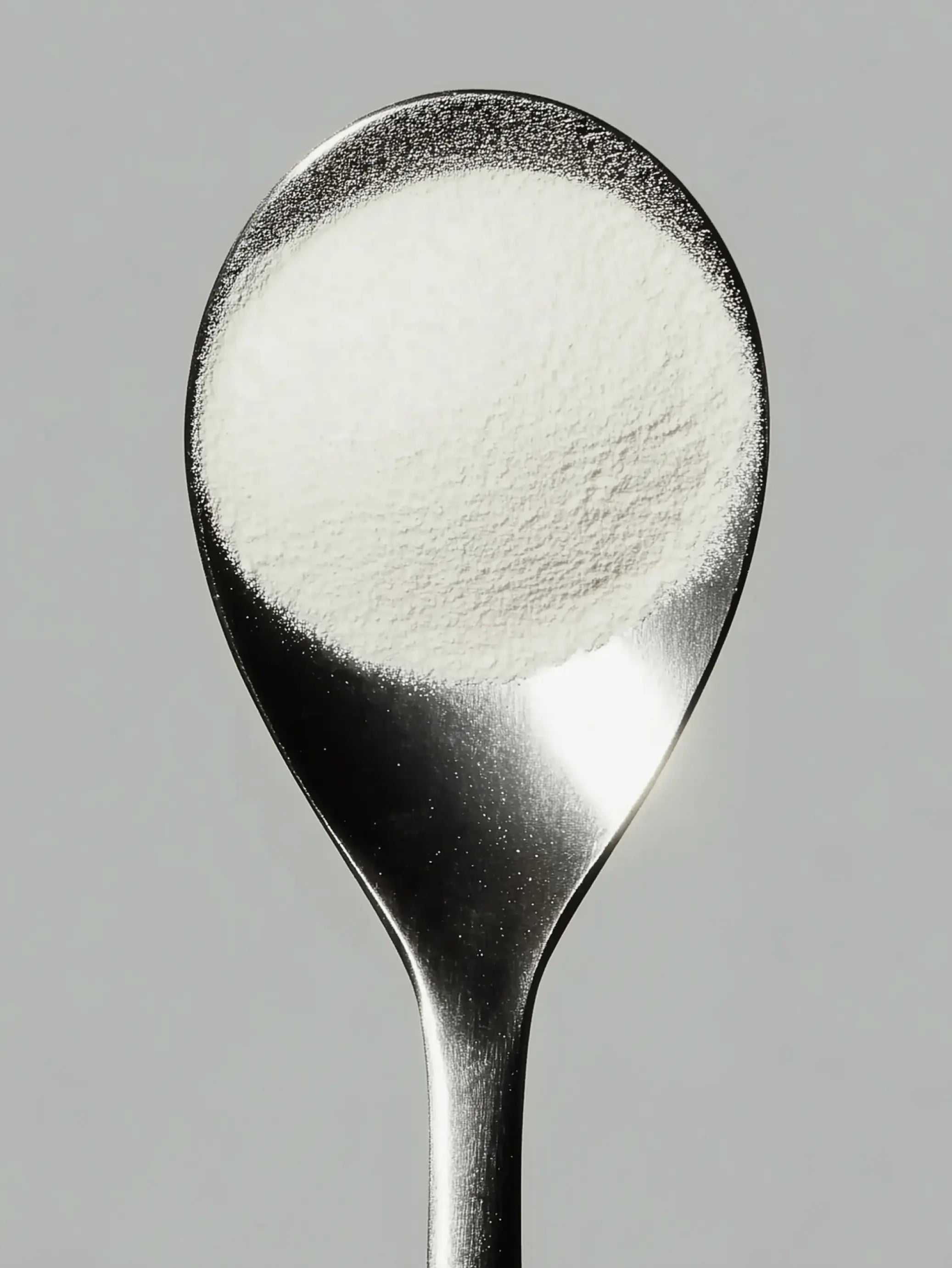


Training and Collagen: The Essential Link
Long associated with intensive training and performance, collagen is not limited to competitive sports. It is now establishing itself as a key ally in gentler practices, such as yoga, Pilates, or low-load training.
Because it participates in the structure of connective tissues, collagen supports the body in its daily activities: mobilizing, stretching, stabilizing, and absorbing constraints. Integrated into a conscious and regular movement routine, it helps create a more favorable physiological environment to help the body adapt to the daily mechanical stresses.
What is collagen?
Collagen is the most abundant structural protein in the human body. It represents nearly 30% of total proteins and acts as a true support framework, ensuring the strength, elasticity, and cohesion of connective tissues, from tendons to ligaments, as well as cartilage, bones, fascia, and skin.
Even in gentler sports practices, such as yoga or Pilates, these tissues are constantly mobilized. Each posture and each transition solicit this internal architecture. Collagen then plays a key role in maintaining tissue integrity, allowing the body to adapt flexibly to repeated mechanical stresses.
However, from the mid-twenties, collagen production gradually decreases, at an estimated rate of 1 to 1.5% per year (1). Stress, inflammation, and certain lifestyle habits can accentuate this phenomenon, hence the interest in a routine combining conscious movement and collagen to support tissue quality.
How to choose the right collagen?
First, the form of collagen is crucial. Hydrolyzed collagen, also called collagen peptides, is obtained by an enzymatic hydrolysis process, which breaks down the protein into smaller peptides and amino acids. This transformation facilitates its passage through the intestinal barrier and promotes efficient absorption. It is this hydrolyzed form that is most studied in scientific literature when it comes to collagen and sport.
Next, the source of collagen influences its bioavailability. Marine collagen, for example, is often preferred for its smaller molecular weight peptide structure, which promotes easier digestion and more efficient assimilation.
Finally, the best collagen... is simply the one that easily integrates into a global routine combining movement and recovery! This supports the body in the long term, rather than aiming for a one-off performance.
Difference between marine and bovine collagen
The choice between marine or bovine collagen primarily depends on the source, peptide structure, and individual tolerance. In both cases, these collagens provide amino acids necessary for endogenous collagen synthesis, but their characteristics can guide the choice according to needs and lifestyle.
The benefits of marine collagen mainly lie in its structure. Derived from fish skin and bones, it is rich in type I collagen, a key component of connective tissues, bone matrix, and skin. Its good bioavailability and generally easy digestion make it a well-suited option for daily intake.
Bovine collagen, which comes from beef connective tissues, mainly contains type I and III collagens. It is sometimes preferred in contexts of more intensive sports practices. However, its tolerance can vary depending on product quality and individual digestive sensitivity.
Collagen and sport: essential duo for athletic practice
Even in a gentle training routine, the body is subjected to repeated stresses. Stretching, held postures, and controlled movements mobilize muscles, joints, and other connective tissues.
A systematic review shows that collagen peptide supplementation, combined with physical exercise, benefits the metabolism of the extracellular matrix of connective tissues, particularly by improving their structure and their ability to bear loads (2).
Associated with regular physical activity such as yoga or Pilates, collagen therefore supports natural recovery mechanisms and helps maintain joint comfort.
Improved muscle recovery
During physical exercise, even at low intensity, muscles undergo micro-stresses. Some studies suggest that collagen peptide supplementation, in conjunction with physical activity, can support muscle and tissue recovery processes by modulating certain markers associated with exercise-induced damage (3).
Collagen thus provides specific amino acids, notably glycine and proline, involved in the renewal of muscle and connective tissues.
Bone strengthening and injury prevention
Collagen constitutes a significant part of the organic matrix of bones and contributes to joint strength. Gentle movements, light loads, and progressive tension naturally stimulate this matrix. By supporting the quality of connective tissues, collagen helps maintain a stable and functional joint structure, essential for sustainable sports practice and injury prevention (4).
Hydration and connective tissue support
Tendons, ligaments, and fascia are rich in collagen and play a central role in the fluidity of movement. Collagen participates in the organization of the extracellular matrix, promoting water retention and tissue elasticity. Combined with gentle sports practice focused on mobility and breathing, it supports daily tissue comfort and flexibility.
FAQ
Why take collagen for sport?
Collagen is an essential structural protein of connective tissues, particularly tendons, ligaments, cartilage, and bones. In the context of sports practice, whether intense or gentle, it helps support the structure of tissues subjected to repeated movements, stretches, and tensions. It also promotes recovery and joint comfort.
Is it good to take collagen every day?
Yes, because the effects of collagen are primarily observed with regular consumption. Several clinical studies have used protocols of 8 to 12 weeks of daily collagen peptide supplementation, combined with regular training, to evaluate improvements in markers associated with muscle and structural recovery (5).
Is collagen beneficial for physical exercise?
Collagen can be beneficial for physical exercise because it provides specific amino acids involved in the structure of connective tissues. These tissues play a central role in muscle strength and joint stability. Collagen intake is therefore relevant for both high-impact sports and gentler practices, such as yoga or Pilates.
When to take collagen: before or after sport?
There is no scientific consensus on a superior time. Regularity over 8 to 12 weeks is most important. Collagen can therefore be consumed before or after physical activity, depending on personal preferences and routine.
Sources
|
Reilly DM, Lozano J. Skin collagen through the lifestages: importance for |
|
Khatri M, et al., The effects of collagen peptide supplementation on body |
|
Clifford T, Ventress M, Allerton DM, Stansfield S, Tang JCY, Fraser WD, et |
|
Boskey AL. Collagen and Bone Strength: Understanding the Connection. |
|
Bischof K, Stafilidis S, Bundschuh L, Oesser S, Baca A, König D. Influence |